Tag: sustainability

  • The Sustainability of The Nigeria Lockdown.

    The Sustainability of The Nigeria Lockdown.

    Nigeria like many other African countries always like to take a cue from their European counterparts forgetting about the practicability of the model employed.

    The Chinese government, on the one hand, deployed the lockdown method to curb the spread of COVID-19 although draconian in the implementation which yielded the desired result. The Europeans, on the other hand, assessed their environment and culture and came up with the concept of social distancing as that’s the most suitable in an European western configuration.

    The government envisaged and identified the negative social-economic, and financial impact of the stay at home order and then rolled out palliatives in form of financial relief to cushion the effect of the financial strain on an average family during this precarious and perilous times. The government understands that mental health could deteriorate and begin to sink into mediocrity as human beings are considered social animals, they set up phone lines where people can reach out should the need arises to speak with a psychologist.

    When I heard Nigeria adopted this formula I quickly embarked on some irresponsible rhetorics regarding the workability then I re-evaluated the scenario and concluded that we’re headed in the wrong trajectory.

    Firstly, the vast majority of the populace live in extreme poverty thereby making an average housing look like a luxury. This vast demography settle in a nucleated, congested, and unhealthy environment where social distancing measures is seemingly impracticable.

    Secondly, a large chunk of the population live hand to mouth meaning they can only feed if they work on a daily basis. The lack of database which has been the major drawback of our economic development has made it impossible to roll out financial relief adequately. Trouble and anarchy looms as people have started flouting the lockdown order, these individuals do not have a choice as they’ve been left with their faith, the basic needs like electricity, social security, employment opportunities, infrastructures, etc are absent and in some cases non-existent.

    I do not understand a government that would implement a lockdown and not have a robust plan for the most susceptible individuals like a Door- to – Door feeding strategy and the provision of basic amenities. Sadly, in a nation like Nigeria, a copy and paste strategy like the case of their European counterparts cannot work as the financial and economic impact is more likely to kill than the virus itself. It’s about time they went back to the drawing board.

    By Akintayo J. Akingbade

    Email : Akintayoakingbade@gmail.com

  • The Future We Want!

    The Future We Want!

    Trees are one of the most important parts of the forest ecology, they are known to be part of the world’s most efficient repository of carbon monoxide: the greenhouse gas known for the increase in the planet’s temperature and the source of climate change. When a tree is fell, it’s canopy which blocks the sun rays during the day and retains heat at night can no longer serve its purpose.

    Through the last months, a couple of forests including the Amazonian forest in Brazil has been caught up with record-breaking fires. In Brazil alone, there have been more than 80,000 fires so far this year.

    (more…)

  • Are you a changemaker?

    Are you a changemaker?

    Life from the time immemorial regardless of region, race, available technology, political and economic prowess has often experienced and will continue to witness the unprecedented actions of selected few over diverse sectors, law and order, rights and wrongs, innovations, self-discovery, technological breakthroughs among a host of several other groundbreaking events. These radical set of being has been called by many names like innovator, legend, role model, a game changer, even god but for the purpose of this article, we prefer an astute term – change maker.

    (more…)

  • Is Zero Hunger Possible?

    Is Zero Hunger Possible?

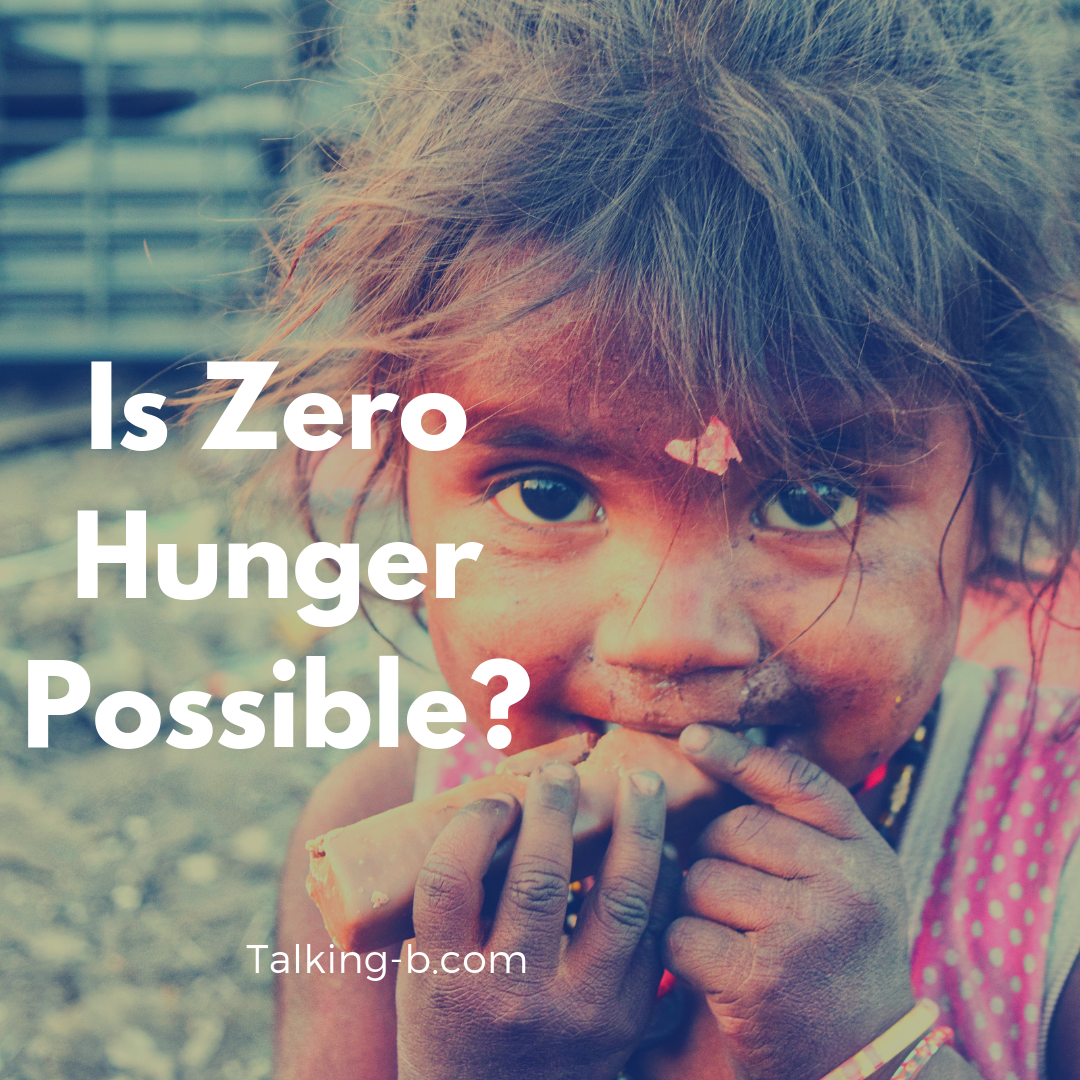
    Human beings would continue to stay alive as long as they breathe either aided or naturally but many factors cycle around sustaining the existence which include quality of health and shelter but most important factors are access to clean water and food. In absence of these factors, there will be no plans neither dream for comfort, technological advancement, discoveries nor the host of researches we now invest our interest in as the “thinking being”.

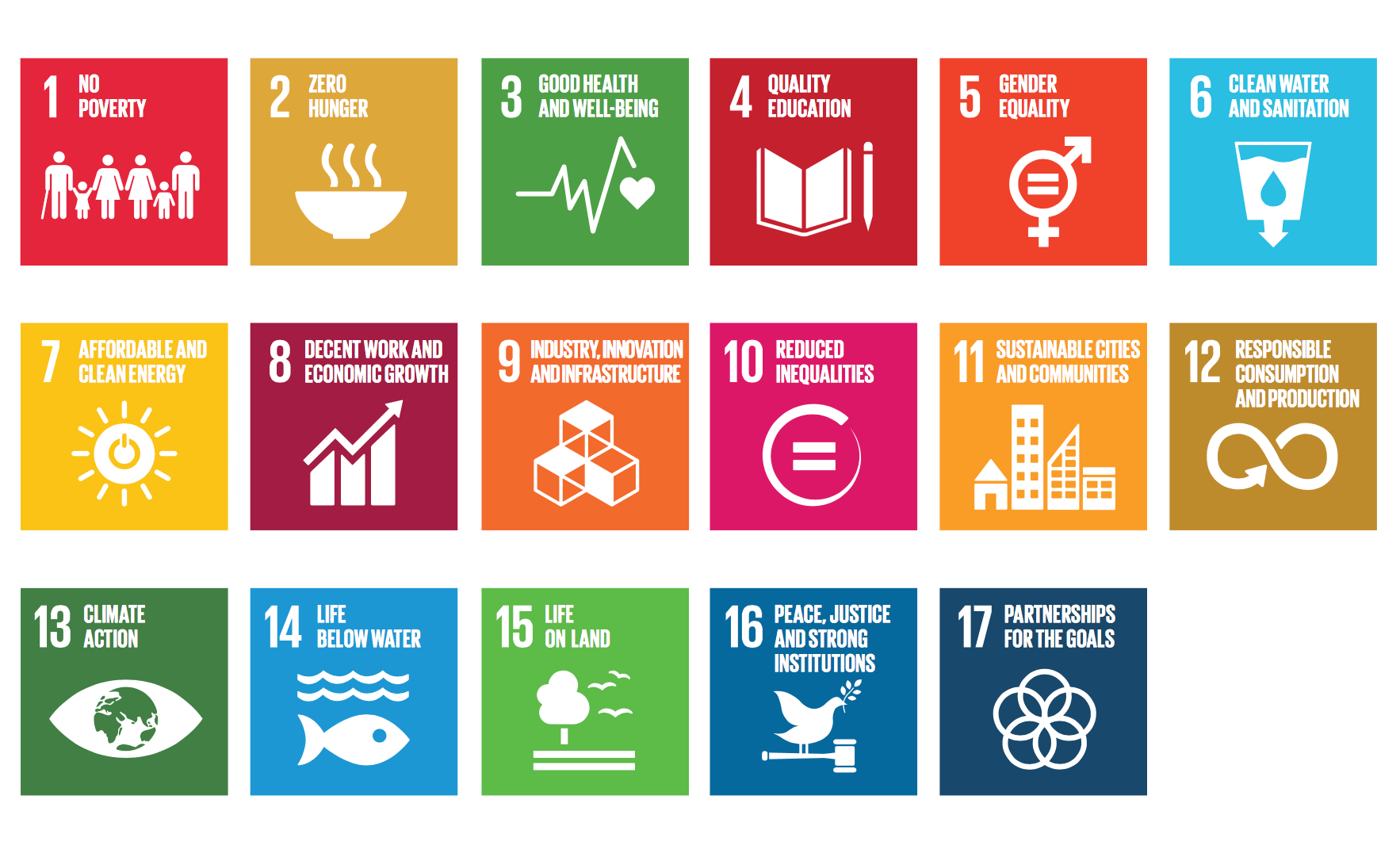
    World leaders in the quest to make the planet more habitable came up with a movement termed Millennium Development Goals (MDGs) committed to achieving a set of eight measurable goals in the year 2000. Though, it met with a lot of challenges including world economic recession but was able to perform impressively towards achieving “halving the poverty level” in the world at the set target date, 2015.

    sdg-hero

    (more…)

  • HUMAN DEVELOPMENT IN AFRICA

    HUMAN DEVELOPMENT IN AFRICA

    Human development which is always confused with economic growth empowers people to participate in the improvement of their own well-being, live a life of absolute freedom on their decisions, actions, and ways of life.

    It portrays how economic policy has influenced their quality of life and helps in grouping countries as developed, developing, or underdeveloped. The core of human development is the concept of capabilities which has the basics as good health, access to knowledge, and a decent material standard of living. These “capabilities” are the determinant of living a fulfilled life or not, realizing human potential and can either be expanded or constrained by an individual or constituted effort and conditions of our society.

    (more…)

  • The Paradox of a Praying Nation

    The Paradox of a Praying Nation

    One will assume that religious chastity equals good morals, the twist in religion and religious acts in glorifying corruption is alarming. Where prayers exist, corruption should not cohabit because these two are conflicting puzzles annihilating our society on a daily basis. Prayers are often said out of ignorance and sometimes used as tools of amassing wealth and keeping the populace in continuous poverty. 

    (more…)

  • Let our trees live!

    Let our trees live!

    Trees are one of the most important parts of the forest ecology, they are known to be part of the world’s most efficient repository of carbon monoxide.  The greenhouse gas known for the increase in the planet’s temperature and the source of climate change. When a tree is fell, it’s canopy which blocks the sun rays during the day and retains heat at night can no longer serve its purpose.

    (more…)

  • THE ROLES OF DEVELOPING COUNTRIES IN CLIMATE CHANGE

    THE ROLES OF DEVELOPING COUNTRIES IN CLIMATE CHANGE

    Developing countries in the present world map primarily consist of most African countries (if not all) and some part of Asia. Unfortunately, a likely synonym for most of these countries is the phrase “praying countries”. Climate change is no longer in theory as its impacts and effects are becoming more vivid at an alarming rate across the planet earth.

    As expected, it is the developed countries clamoring the most, about the looming dangers around global warming and its ripple effects. Although, the causes of the rapidity of this unwanted change was propagated majorly by the developed countries that emitted greenhouse gases with no obstruction from the Industrial Revolution which led them to gain wealth and power. Nevertheless, their leaders, researchers, and scientists are coming up with several approaches to minimize, manage and possibly control the expected havoc by putting several control measures in place which include investing millions in the developing countries. But, are the developing countries putting the same tenacity into the few forms of resistance there is to put up?

    Climate change is a faceless looming hazard against humanity threatening the flourish of agriculture, health, economy, peace, energy infrastructure and transportation to mention but a few. Its influence includes a persistent rise in sea level, frequent drought, heavy rainfall, heavy flood, heavy snowfall, ocean acidification, expansion of deserts, heat waves, and wildfires. Considering the limitations and challenges already facing most of the developing countries, it becomes exponentially inherent for them to take up their role zealously in combating the aggressive army of Mother Nature.

    In every situation in life, information is paramount. Therefore, sensitizing people about the reality of climate change, its effect, what to expect and reiterating on the measures to reduce the expected calamity is vital. Being conscious of the fact that, telling people what to do hardly yield result without making them understand why they should do it, thus afforestation and refraining from deforestation can be encouraged, adaptation to the extreme weather and development of crops that are more resistant, long term preservative measure of farm produce to prevent looming famine, strict conformation to the building laws and avoiding building close to the water bodies to minimize dislocation and loss of shelters, keeping abreast of updated information from the  meteorologists and climatologists, aiding the visions of sustainable development goals (SDGs) in the best capacity humanly possible and facilitating Responsible consumption and recycling.

    World Health Organization (WHO) already estimated the additional deaths per annum from malnutrition, health-related problem and heat stress to be approximately 250,000 due to climate change. While, in eleven years from now, about 122,000,000 people could be forced into extreme poverty based on the estimate of The Food and Agriculture Organization of the United Nations. Several predictions have been made based on facts, reality, and researches yet, inaction is not an option, developing countries need to rise up to the challenges and save humanity.